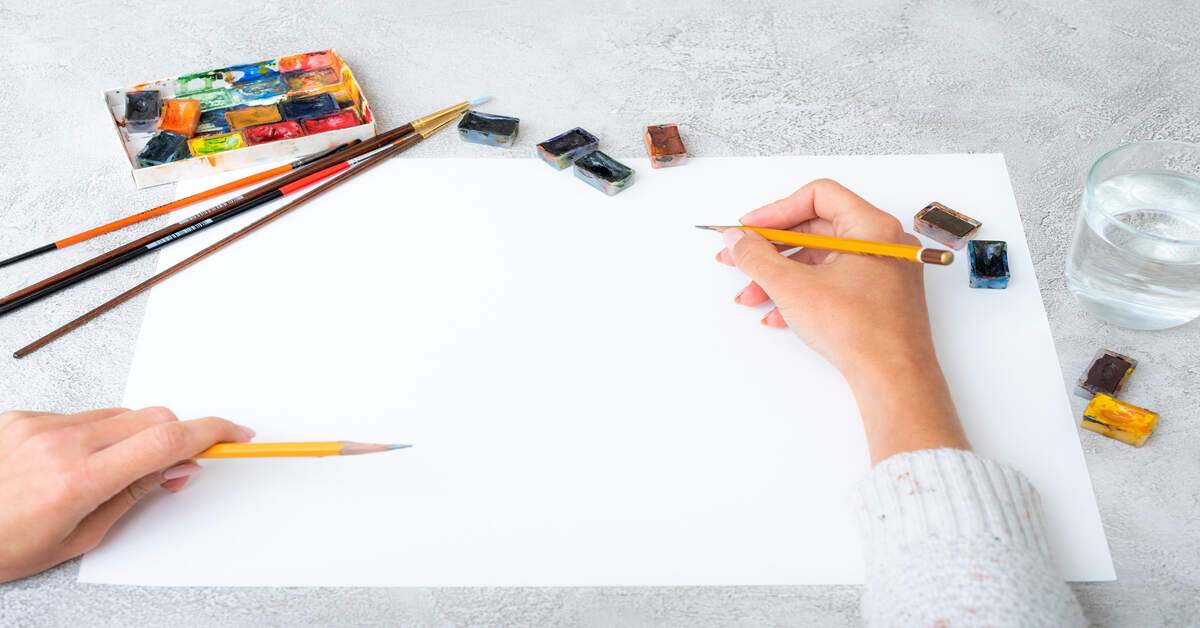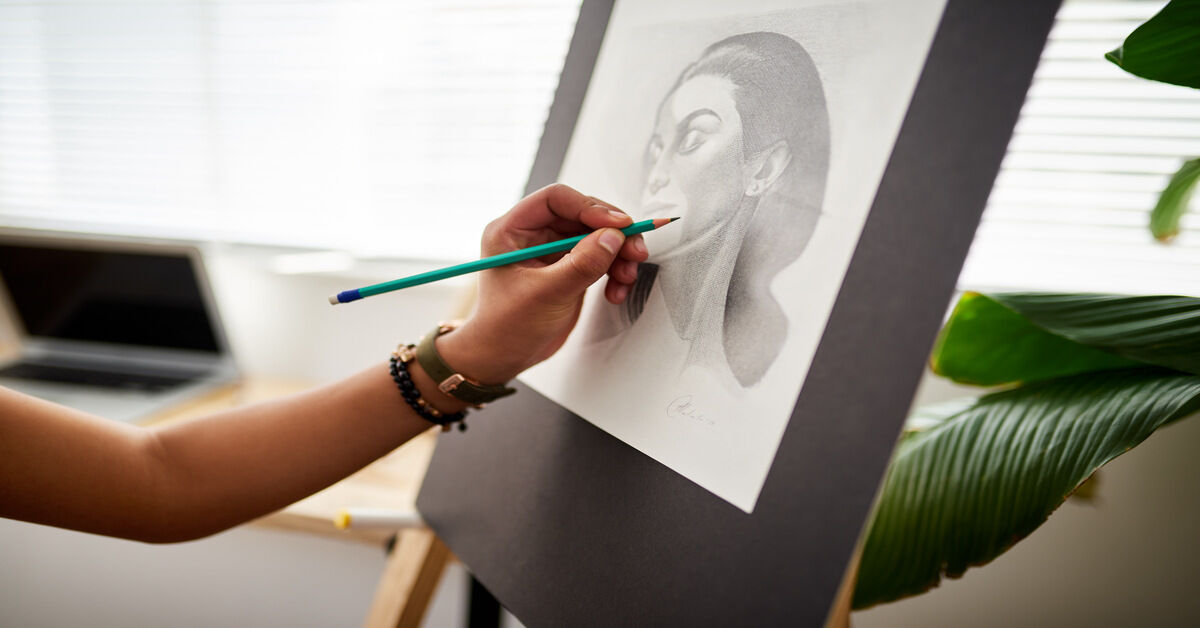

Learning art can feel magical at first. You pick up a pencil. You imagine a finished piece. Then reality hits. The lines don’t obey. The shapes feel wrong. Frustration sneaks in quietly. This is where most beginners misunderstand what art growth really looks like.
The truth is simple but often ignored. Progress in art does not come from jumping into complex drawings. It comes from practicing basic art techniques for beginners again and again. These fundamentals are not boring obstacles. They are the language of visual expression. Without them, creativity struggles to speak.
The Foundation Every Artist Starts With
Every skilled artist you admire started at the same place. They practiced basics long before style appeared. Art is not about talent showing up fully formed. It is about building control, understanding, and visual awareness over time.
Basic techniques act like the foundation of a house. You never see them once the structure stands, but without them everything collapses. Beginners often want results quickly. They want finished drawings. What they actually need is skill stability. That stability only comes from fundamentals practiced deliberately. When tutorials focus on basics, they are not slowing you down. They are protecting your future growth.
Understanding What “Basic Art Techniques” Really Mean
Many beginners hear the word “basic” and assume it means easy or unimportant. In art, basics are neither. They are deceptively powerful and deeply technical.
Core Skills That Appear Across All Art Styles
No matter the medium or style, certain skills appear everywhere. Line control is one of the first. A confident line communicates intention. Wobbly lines show hesitation. Shape construction follows closely. Artists don’t draw objects. They build forms from simple shapes. Value and contrast are equally essential. Without them, drawings feel flat. Light and shadow give volume. Even stylized art relies on this principle. These techniques repeat across realism, abstraction, digital art, and illustration. They are universal.
Medium-Independent Techniques Beginners Often Overlook
Some fundamentals have nothing to do with tools. Observation is one of them. Learning to see proportions accurately is a skill. Hand–eye coordination takes time to develop. Visual problem-solving helps artists fix mistakes instead of abandoning work. These skills transfer across every medium. Pencil, paint, tablet—it doesn’t matter. The foundation remains the same.
Why Beginners Struggle Without Strong Fundamentals
Most beginner frustration comes from skipping steps. Without understanding basics, artists rely on guesswork. This leads to inconsistent results. One drawing looks okay. The next feels worse. Confidence drops.
Another issue is comparison. Beginners compare their work to finished pieces by professionals. They don’t see the years of basic practice behind those results. This creates unrealistic expectations and emotional burnout. Skipping fundamentals doesn’t save time. It delays progress and deepens frustration.
Skill Memory and Muscle Control in Early Art Practice
Art is physical as much as mental. Your hand must learn to obey your eye.
How Repetition Trains the Hand and Brain
Repeating basic exercises builds muscle memory. Straight lines become smoother. Circles feel natural. Strokes become intentional. This reduces hesitation and overworking, two habits that sabotage beginner art. Repetition also frees mental energy. When basic movements become automatic, your brain can focus on composition and expression.
Building Visual Memory Through Practice
Visual memory develops when you repeatedly observe and draw simple forms. You start recognizing patterns. You see angles and proportions faster. Objects stop feeling overwhelming. This is not talent. It is trained perception.
How Practicing Basics Improves Learning Speed
Ironically, slowing down at the beginning speeds everything up later. Artists with strong fundamentals learn advanced techniques faster. They understand why something works instead of copying blindly.
Basic art techniques for beginners act like mental shortcuts. They help you diagnose problems quickly. You know why something looks wrong. You know how to fix it. This compounding effect separates steady learners from frustrated quitters.
Confidence Building Through Simple Techniques
Confidence in art does not come from praise. It comes from control.
Why Mastery of Small Skills Matters
When beginners master small techniques, they gain trust in their ability to improve. Each improvement reinforces motivation. Progress becomes measurable instead of emotional. Confidence grows quietly through repetition.
Overcoming Fear of Making Mistakes
Mistakes feel threatening when basics are weak. With fundamentals in place, mistakes become data. You adjust. You continue. Fear loses power. This shift is crucial for long-term artistic growth.
The Role of Basic Techniques in Different Art Forms
Fundamentals do not lock you into one style. They make all styles accessible. Drawing relies heavily on line and shape control. Painting depends on value and color understanding. Digital art still follows traditional principles despite advanced tools. Illustration requires strong construction to support stylization. Basics connect everything.
Beginner Art Tutorials That Focus on Process, Not Results
Good tutorials teach thinking, not copying.
Why Step-by-Step Practice Is More Effective Than Final Pieces
When tutorials focus only on final results, beginners imitate without understanding. Process-based lessons explain decisions. They show mistakes and corrections. This builds independence.
What to Look for in High-Quality Beginner Tutorials
Effective tutorials emphasize repetition, skill isolation, and gradual complexity. They encourage practice over perfection. They explain why techniques matter. These are signs of quality education.
Long-Term Artistic Growth Starts With Repetition
Professional artists never abandon fundamentals. They revisit them constantly. The difference is intention. Basics evolve as skill deepens. Repetition prevents stagnation. It keeps skills sharp. It allows artists to explore complexity without losing structure. Fundamentals are lifelong companions.
How Basic Art Techniques Support Creative Freedom
Structure does not limit creativity. It enables it. When technical barriers disappear, ideas flow freely. Artists can experiment without fear. Style emerges naturally from skill, not shortcuts. Rules create freedom when understood deeply.
Practical Ways Beginners Can Practice Effectively
Practice does not require long hours. It requires focus. Short daily exercises work best. Line drills improve control. Shape studies build construction skills. Value scales train shading awareness. Set time-based goals instead of outcome-based ones. Consistency beats intensity. Avoid burnout by keeping practice sustainable.
Common Myths About Learning Art as a Beginner
Many beginners believe expensive tools are necessary. They are not. Others think you must be good at drawing to start. Skill comes from practice, not prerequisites. Another myth is that basics are boring. In reality, progress is deeply satisfying when understood properly.
Why Patience Is a Skill Every Artist Must Learn
Art progress is slow and uneven. Plateaus happen. Growth hides beneath repetition. Patience allows skills to settle. It builds resilience. Artists who accept slow progress stay longer. Those who chase quick results often quit. Patience is part of the craft.
Final Thoughts: Strong Basics Create Strong Artists
Practicing basic art techniques for beginners is not a temporary phase. It is an investment. Every line drawn with intention builds future confidence. Every simple exercise strengthens creative freedom. Art rewards those who respect fundamentals. Not immediately. Not dramatically. But deeply and permanently.
Frequently Asked Questions (FAQs)
Why are basic art techniques important for beginners?They build control, confidence, and understanding. Without them, progress becomes inconsistent and frustrating.
How long should beginners practice basic techniques?There is no fixed timeline. Many artists revisit basics throughout their careers. Consistency matters more than duration.
Can I skip basics if I want a specific art style?Skipping fundamentals limits growth. Basics adapt to all styles and make stylization stronger, not weaker.
Do digital artists still need traditional basics?Yes. Digital tools do not replace fundamentals like value, form, and composition.
How often should beginners practice?Short daily practice sessions are more effective than occasional long ones.