
Art is a beautiful form of expression that allows individuals to communicate their feelings, thoughts, and ideas. For many, diving into the world of art can feel overwhelming, especially with the myriad of mediums available. If you’re a beginner looking to unleash your inner artist, understanding which art mediums are easiest to start with can make all the difference. In this blog post, we’ll explore various art mediums that are beginner-friendly, offer tips for getting started, and share insights from artists to inspire your creative journey.
Understanding Art Mediums
Art mediums refer to the materials used by artists to create their work. Each medium has its own unique characteristics, which can influence the final artwork’s look and feel. For beginners, choosing the right medium is crucial, as it can either foster creativity or lead to frustration. The ideal medium should be accessible, forgiving, and enjoyable to work with.
Why Choosing the Right Medium Matters
When starting your artistic journey, selecting a medium that resonates with you can enhance your learning experience. The right medium allows for experimentation without the pressure of perfection, encouraging creativity and self-expression. For instance, if you choose a medium that is too complex or requires advanced techniques, you might find yourself feeling discouraged before you even begin. Conversely, an easy-to-use medium can provide immediate satisfaction, motivating you to explore further.
Top Easiest Art Mediums for Beginners
Let’s delve into some of the easiest art mediums for beginners, highlighting their features, benefits, and some tips for getting started.
1. Pencil Drawing
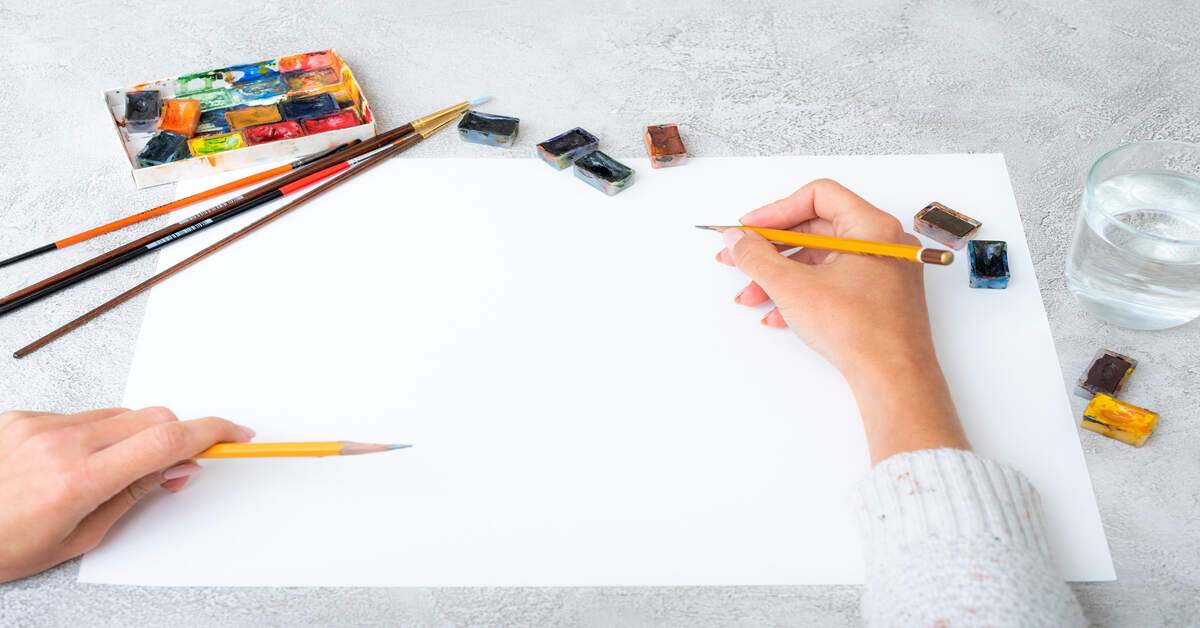
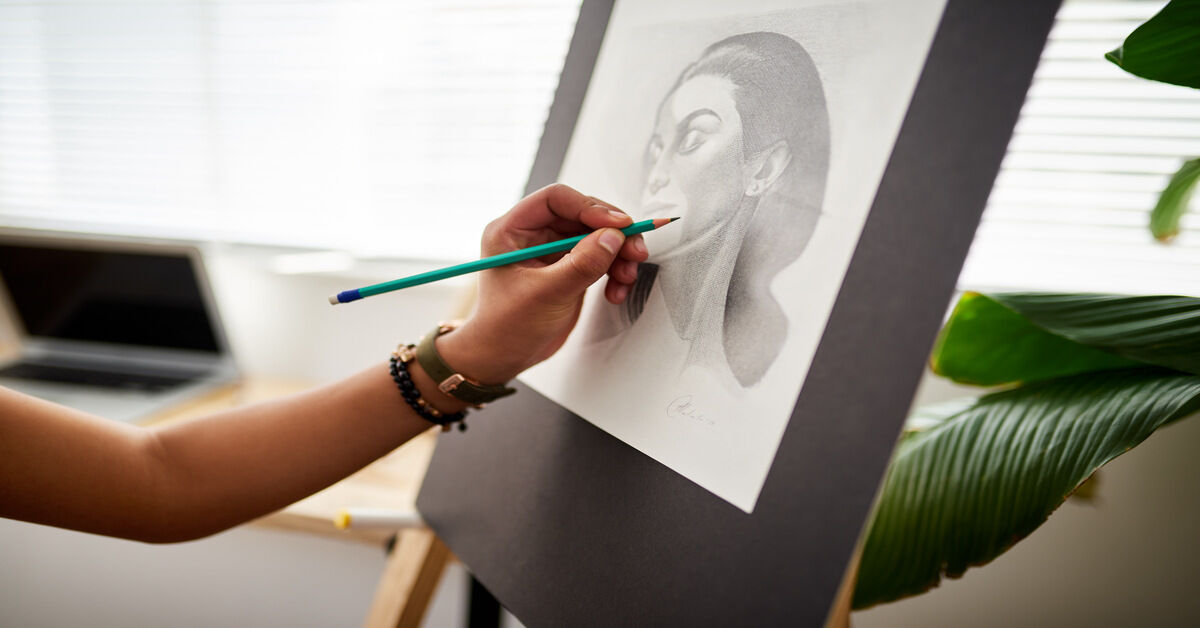
Pencil drawing is often the first step for many aspiring artists. It’s a versatile medium that requires minimal investment—just a good set of pencils and paper. Pencils come in various hardness levels, allowing for a range of effects, from fine details to bold strokes.
Getting Started with Pencil DrawingTo begin, find a comfortable space and gather your materials. Start with simple shapes and gradually progress to more complex subjects. Practice shading techniques to understand light and shadow, which can dramatically enhance your drawings. Online tutorials and local classes can also be invaluable resources for beginners.
Real-Life Example:Consider Emily, a high school student who discovered her passion for art through pencil drawing. She started by sketching everyday objects around her home. Over time, her confidence grew, leading her to experiment with more intricate designs, eventually creating beautiful portraits.
2. Watercolor Painting
Watercolor painting is known for its vibrant colors and fluidity, making it a popular choice for beginners. The medium is forgiving, allowing for layering and blending effects that can create stunning results with minimal effort.
Getting Started with WatercolorsBegin with a basic watercolor set, some brushes, and watercolor paper. Start by practicing washes and gradients to familiarize yourself with the paint’s behavior. One of the joys of watercolor is that it can be easily corrected; if you make a mistake, simply add more water or paint over it.
Expert Insight:According to professional artist and watercolorist Lisa Robinson, “Watercolor is an excellent medium for beginners because it teaches you to embrace spontaneity. You can achieve beautiful results without being overly precise.”
3. Acrylic Painting
Acrylic paint is another beginner-friendly medium, known for its vibrant colors and fast drying time. It can be used on various surfaces, including canvas, wood, and paper, providing versatility in creative expression.
Getting Started with AcrylicsWhen starting with acrylics, invest in a basic set of paints, brushes, and a canvas or acrylic paper. One of the great advantages of acrylics is their ability to mimic other mediums; they can be used thinly like watercolors or thickly like oil paints. Experiment with different techniques, such as layering and glazing, to discover your style.
Real-Life Example:James, a retired teacher, took up acrylic painting as a hobby after attending a community art class. He found the medium easy to work with and enjoyed the vibrant colors. Over time, he developed his unique style, incorporating landscapes and abstract elements into his work.
4. Pastels
Soft pastels are a fantastic medium for beginners who appreciate vibrant colors and a tactile experience. They produce rich, intense hues and can be blended easily, allowing for smooth transitions and textures.
Getting Started with PastelsTo start, you’ll need a set of soft pastels, pastel paper, and blending tools like your fingers or tortillons. Begin by practicing basic techniques such as layering and blending colors. You can create beautiful landscapes, still lifes, or abstract pieces without the pressure of precision.
Expert Insight:Artist and pastel expert Sarah Chen suggests, “The beauty of pastels lies in their immediacy. You can achieve stunning results quickly, which is incredibly encouraging for beginners. Just remember to fix your work to prevent smudging!”
5. Colored Pencils
Colored pencils are another excellent medium for beginners, offering precision and control. This medium is perfect for those who enjoy detail-oriented work and want to explore color mixing and shading.
Getting Started with Colored PencilsStart with a quality set of colored pencils and suitable paper. Practice layering colors to create depth and texture in your drawings. The slow and deliberate nature of colored pencil work encourages patience and attention to detail, making it a satisfying medium for many artists.
Real-Life Example:Sophie, a college student, took up colored pencil art during a particularly stressful semester. She found that the process of layering colors helped her relax and focus. Her illustrations of animals and landscapes gained recognition in her art department, inspiring her to pursue further studies in art.
Tips for Beginners in Any Medium
As you embark on your artistic journey, here are some general tips to keep in mind, regardless of the medium you choose:
1. Practice Regularly
Consistent practice is key to improving your skills. Set aside time each week to create, even if it’s just for a few minutes. The more you practice, the more comfortable you will become with your chosen medium.
2. Don’t Fear Mistakes
Mistakes are part of the learning process. Embrace them as opportunities to grow and experiment. Many artists have created masterpieces from initial errors, turning perceived flaws into unique features.
3. Seek Feedback and Community
Engaging with other artists can provide valuable insights and encouragement. Join local art groups, take classes, or connect with online communities where you can share your work and receive constructive feedback.
4. Explore and Experiment
Allow yourself to explore different mediums and styles. You might find that you enjoy a medium you hadn’t initially considered. Experimenting can open new doors and inspire creativity in unexpected ways.
5. Enjoy the Process
Above all, remember that art is about enjoyment and self-expression. Don’t get caught up in the idea of perfection. Focus on the creative process and have fun!
Conclusion
Choosing the right art medium as a beginner can significantly impact your artistic journey. The easiest art mediums for beginners, such as pencil drawing, watercolor painting, acrylic painting, pastels, and colored pencils, offer accessible ways to express creativity without overwhelming complexity. By starting with these mediums, you can build confidence and develop your skills at your own pace. Remember, art is a personal journey, and there’s no right or wrong way to create. So grab your materials, find a comfortable space, and let your creativity flow!
FAQs
Which art medium is best for beginners?Pencil drawing, watercolor, and acrylic painting are often recommended as the easiest art mediums for beginners due to their accessibility and forgiving nature.
Can I start painting without any prior experience?Absolutely! Many beginners start painting with no prior experience. Choosing a beginner-friendly medium helps ease the learning process and encourages exploration.
What supplies do I need to start drawing?Basic supplies for drawing include a set of pencils, erasers, quality drawing paper, and possibly blending tools. Start simple and gradually expand your toolkit as you progress.